
Soccer Medicine
Orthopedic care built around soccer players
From weekend club players to serious competitors, soccer asks a lot of the knees, hips, and shoulders. Dr. Ryan Blackwell is an orthopedic sports medicine surgeon who focuses on getting soccer athletes accurately diagnosed, thoughtfully treated, and back to the game they love.
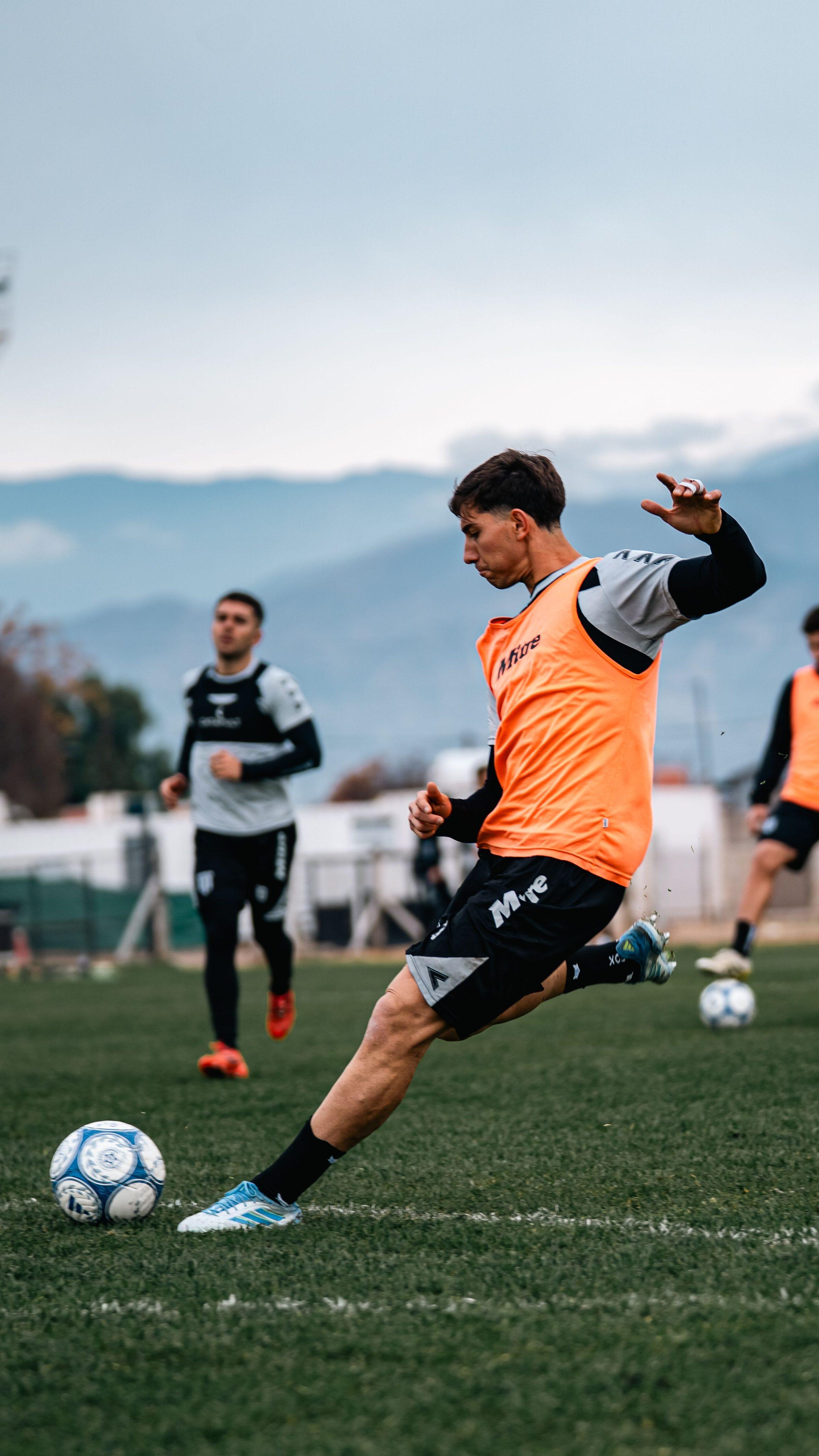
Care for the soccer athlete
Soccer is a game of quick changes of direction, sprinting, kicking, jumping, and contact — the exact movements that stress the knee, hip, groin, and shoulder. As Team Orthopedic Surgeon for the Columbus Crew, and from playing and treating athletes himself, Dr. Blackwell brings a practical understanding to care: understand the sport’s specific demands, make an accurate diagnosis, and match the plan to the player in front of him — their age, position, goals, and the season ahead.
That means explaining what is going on in plain language, laying out the reasonable options (which are often more than one), and being honest about what surgery can and cannot do. Whether the right answer is rehabilitation, a brace and a graded return, or an operation, the goal is the same: a knee, hip, or shoulder the athlete can trust.
Common soccer injuries
These are areas covered in depth on this site. Any of them deserves an accurate diagnosis before deciding on treatment.
- Knee — ACL & ligament injuriesCutting, pivoting, and awkward landings can injure the ACL. ACL tears are one of the most significant soccer injuries, and the risk is higher for female players after adolescence.ACL tears
- Knee — meniscus tearsTwisting on a planted foot can tear the meniscus, the knee's shock-absorbing cartilage. Preserving meniscus tissue matters for long-term knee health.Meniscus tears
- Knee — kneecap (patellar) instabilityA kneecap that slips out of place is common in young, active athletes and often happens during sport. Anatomy and prior dislocations both play a role.Patellar instability
- Knee — cartilage injuriesFocal cartilage damage can happen on its own or alongside an ACL or meniscus injury, and it is worth diagnosing accurately because it can affect the knee over time.Cartilage injuries
- Hip & hamstring injuriesSprinting and kicking load the hamstrings and groin. Proximal hamstring and lateral-hip tendon problems can sideline a player and sometimes benefit from focused care.Hip & pelvis injuries
- Shoulder injuriesFalls, collisions, and goalkeeping can dislocate or injure the shoulder. Instability and labral injuries are the shoulder problems seen most often in field sports.Shoulder instability
Soccer players also turn ankles and strain muscles — lateral ankle sprains and hamstring, groin, and calf strains are among the most common injuries in the sport. These are often managed without surgery, but pain that is severe, not improving, or associated with instability, giving way, or significant swelling is worth having evaluated rather than played through.
Young soccer players and their families
Growing athletes are not just small adults. Their bones are still developing, and the growth areas can be a source of pain — for example, Osgood-Schlatter at the knee or Sever’s at the heel. These growth-related conditions are common in active kids, are usually managed with activity adjustment and time, and tend to settle as the athlete matures.
Overuse is the other theme in youth soccer. When training, travel teams, and tournaments stack up with little rest, nagging pain can appear. Major sports-medicine and pediatric organizations note that specializing in a single sport very early is not necessary for long-term success and is associated with a higher risk of overuse injury and burnout — variety, adequate rest, and gradual increases in training are protective. A young player with pain that lasts, changes how they move, or keeps them from playing should be evaluated rather than pushed through.
This page offers general orientation for parents and coaches; it is not a substitute for evaluating an individual child. Care for a young athlete is always individualized.
Accurate diagnosis, then the right care
Two players with the same complaint can have very different injuries. An accurate diagnosis — from the history, a careful examination, and imaging when it will change the plan — comes first, because it determines whether nonsurgical care, surgery, or simply time and rehabilitation is the better path.
Many soccer injuries are treated without surgery. When an operation is the right choice, it is one step in a longer process: the rehabilitation that follows is just as important as the procedure itself. Recovery is staged and progressive, and it is guided by how the injury and the athlete respond rather than by the calendar alone.
Reducing injury risk
No program prevents every injury, but structured neuromuscular warm-ups — the kind popularized by soccer-specific programs that combine running, strength, balance, and controlled landing and cutting — have been shown to reduce the risk of injuries, including ACL injuries, when they are done consistently. They lower risk; they do not remove it.
Sensible training habits help too: warming up properly, building fitness gradually, respecting rest and recovery, addressing an old injury that never fully rehabilitated, and not playing through pain that is getting worse. None of this is a guarantee — it is a way to tilt the odds in the athlete’s favor.
A team around the athlete
The best outcomes come from good communication. The athlete, their family, the athletic trainer, the physical therapist, the coach, and the medical team all see different pieces of the picture. Keeping everyone aligned — on the diagnosis, the plan, the current stage of recovery, and what a safe return looks like — protects the player and takes pressure off decisions that should never rest on a single person or a single test.
When an injury should be evaluated
Consider prompt medical evaluation for a soccer injury when there is:
- A pop or the feeling that the knee, kneecap, or shoulder shifted or gave way
- Rapid or significant swelling after an injury
- Inability to bear weight, straighten the knee, or use the arm normally
- A joint that feels locked, unstable, or keeps giving out
- Pain that is severe, or that is not improving over a reasonable time
- Numbness, a cold or pale limb, or a deformity — which warrant urgent care
This website is not monitored for emergencies. For a medical emergency, call 911.
Explore related care
- Return to PlayHow a safe, criteria-based return to sport actually works after an injury or surgery.
- Knee & ACL careACL, meniscus, kneecap instability, and cartilage injuries explained.
- Rehabilitation protocolsOverviews of the rehabilitation used after common procedures, each with a downloadable PDF.
- Educational videosShort animations that illustrate common procedures — general education, not a personal plan.
Next step
Sidelined by a soccer injury?
If you're dealing with a knee, hip, or shoulder problem from soccer, you can request an appointment to get an accurate diagnosis and a plan. This website is not monitored for emergencies — for a medical emergency, call 911.