
Return to Play
Return to play is a progression, not a date
After an injury or surgery, getting back to sport happens in stages. Rather than counting down to a single day, a safe return is earned by meeting goals along the way — and the plan is built around the specific injury, the sport, and the athlete.
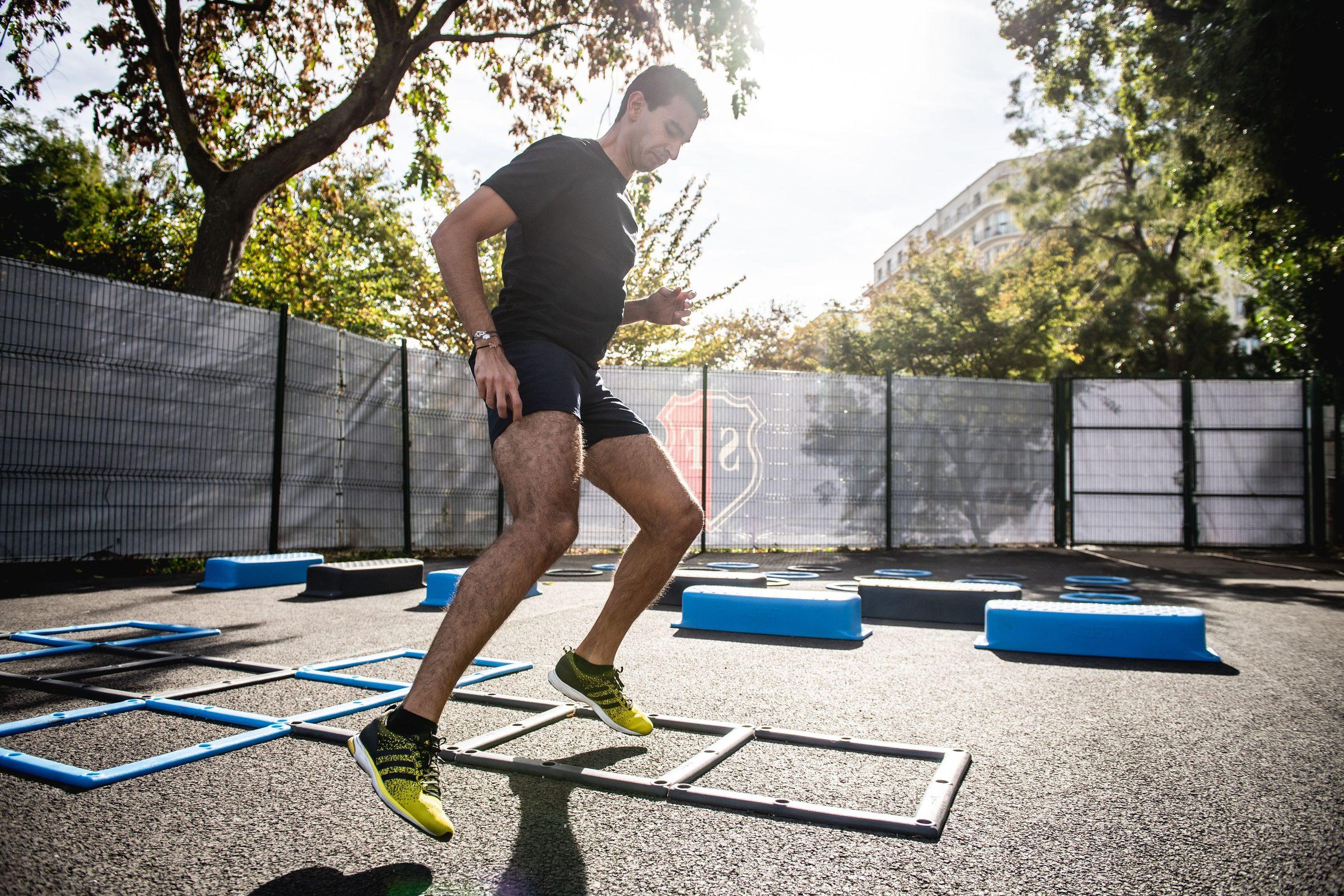
A continuum, not a single moment
Sports-medicine consensus describes return to sport as a continuum: first returning to participation (training in some capacity), then returning to sport (full competition in your sport), and finally returning to performance (back to your prior level). Most of recovery is the work between those points — and progress through it is guided by how you are doing, not only by how much time has passed.
The stages below are a general map. The exact path, the milestones, and the pace differ by injury and by procedure, and your surgeon-selected rehabilitation plan and your physical therapist’s guidance always take precedence over any general sequence.
The general progression
These stages often overlap, and an athlete may move back a step if symptoms flare or a goal is not yet met. That is normal — the progression is meant to be flexible, not a fixed timetable.
- Step 1Healing & symptom controlCalm the injury or surgical site: protect it as directed, settle swelling and pain, and let early healing happen.
- Step 2Restore motionRegain range of motion so the joint moves well and symmetrically before adding heavy load.
- Step 3Build strength & enduranceRebuild the muscles that protect the joint, working toward strength that is closer to the uninjured side.
- Step 4Balance, control & movement qualityRetrain balance and neuromuscular control so landings, cuts, and pivots look and feel controlled — not just strong.
- Step 5Running & conditioningReturn to running and rebuild sport fitness in a graded way, watching how the injury responds.
- Step 6Sport-specific drillsAdd the movements the sport actually demands — for soccer, agility, cutting, jumping, and ball work.
- Step 7Noncontact practiceRejoin training in a controlled, noncontact way to test the injury against real practice demands.
- Step 8Controlled contact or full trainingWhen appropriate for the sport and the injury, progress to contact and full training.
- Step 9Return to competitionReturn to games once the objective and clinical goals for the specific injury have been met.
- Step 10Ongoing workload managementKeep managing training load and maintenance work — the early months back carry a higher reinjury risk.
What “ready” actually involves
Readiness is a judgment made together, weighing many things rather than any single number or test:
- Symptoms — pain, swelling, and how the joint feels with activity
- Physical examination findings
- Strength testing, often compared with the uninjured side
- Functional testing — hopping, jumping, and agility measures
- Movement quality — how controlled landing, cutting, and pivoting look
- The demands of your sport and your position
- Psychological readiness and confidence
- Progress through the rehabilitation plan
- Any associated injuries or additional procedures
- Input from your physician, therapist, athletic trainer, you, and your family
Time matters — but it isn’t the only thing
Tissue needs time to heal, so time since injury or surgery is genuinely relevant. But time alone is not enough. Criteria-based testing helps assess readiness and may reduce the risk of reinjury compared with relying on time alone. No test can predict or eliminate reinjury, so the goal is a better-informed return-to-play decision.
A few principles follow from that:
- Benchmarks vary by injury and procedure — there is no one timeline that fits every athlete or every operation.
- A published rehabilitation protocol is a guide for the recovery process; downloading or reaching the end of a protocol PDF is not the same as being cleared to play.
- Follow the specific protocol your surgeon selected for your procedure.
- Return can be delayed when the objective or clinical goals have not yet been met — that is a normal part of doing it right.
As one example, after ACL reconstruction a full return to sport commonly takes on the order of 9–12 months and is guided by criteria and testing rather than the date alone. That range is specific to ACL reconstruction and should not be applied to other injuries, each of which has its own expected course.
Mind as well as body
Confidence is part of readiness. Many athletes are physically prepared before they feel psychologically ready, and fear of re-injury is one of the more common reasons a return stalls. Feeling trusting of the knee, hip, or shoulder again — not just testing well — matters, and it is a reasonable thing to talk through with your care team.
Lowering risk — not erasing it
A careful, criteria-based return lowers the chance of another injury, but it cannot remove it entirely. Reinjury and injury to the other side remain possible, and the risk is higher in the first months back and for younger athletes returning to cutting-and-pivoting sports. That is not a reason to avoid returning — it is the reason to return the right way, keep up maintenance work, and manage training load once you are back.
Young athletes and parents
Younger athletes are often eager to get back, and they can face a higher risk of a second injury when they return to pivoting sports. The same criteria-based approach applies, with extra attention to confidence, movement quality, and not rushing the calendar. This is general orientation, not a specific medical plan for any individual child — a young athlete’s return should always be individualized with their own care team.
Explore related care
- Soccer MedicineCommon soccer injuries and how they are diagnosed, treated, and rehabilitated.
- Rehabilitation protocolsOverviews of the rehabilitation used after common procedures, each with a downloadable PDF.
- ACL reconstructionThe procedure and the criteria-based return to sport after an ACL reconstruction.
- Educational videosShort animations that illustrate common procedures — general education, not a personal plan.
Next step
Planning your return to sport?
If you're recovering from an injury or surgery and thinking about getting back to play, you can request an appointment to talk through a plan built around your goals. This website is not monitored for emergencies — for a medical emergency, call 911.